The Press Photograph Is a Story With a Frame
Learn how a publicity photograph’s pose, setting, selection and caption steer its meaning, with a short checklist for reading the image closely.
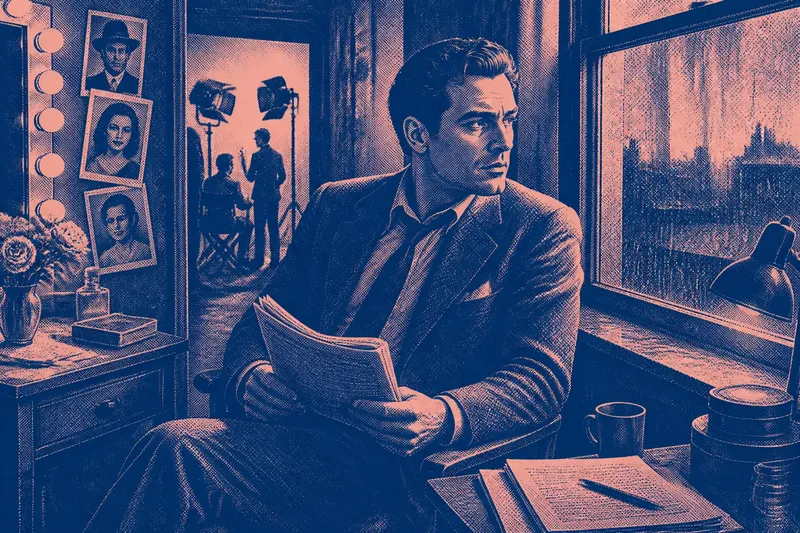
A publicity photograph can make a performer look playful, formidable or quietly ordinary before a viewer knows a thing about the scene around them. Reading a press photograph closely means noticing how pose, setting, selection and caption guide that first impression—and what the frame leaves out.
These images are not simply portraits. They are composed messages: someone chooses where the subject stands, what appears behind them, which exposure is circulated and what words travel beside it. That does not make a photograph false. It makes the image a piece of storytelling worth reading on its own terms.
What story does the pose tell?
A pose turns a person’s body into a signal. A direct gaze may suggest confidence or challenge; a turned shoulder can feel candid, elegant or withdrawn. The meaning depends on the whole arrangement, not on a universal code. A smile, for instance, may look warm in a relaxed setting and carefully performed against a stark backdrop.
Look at hands as well as faces. Fingers resting on a chair, a hand near the chin or arms held close to the body can give an image a different rhythm. Notice whether the performer appears to meet the camera, look past it or respond to another person. These choices help create a relationship between subject and viewer.
Then ask what the pose seems designed to support. Does it suit a comic persona, a romantic lead or a figure of authority? It may connect to a role, but it need not record a moment from the film or performance. Publicity can borrow a mood without documenting a scene.
How does the setting change the impression?
The setting supplies clues about status, character and atmosphere. A dressing room suggests work behind the performance; a grand staircase can lend a subject ceremony; a plain studio background keeps attention on clothing and expression. Objects can carry their own suggestions: a script, a microphone or a carefully placed flower invites the viewer to imagine a particular kind of person.
Separate what is visible from what you infer. “A telephone sits on the desk” is an observation. “The performer is waiting for important news” is a story prompted by that object, not something the photograph confirms. This distinction keeps interpretation lively without turning a hint into a fact.
Also notice what the setting excludes. A tidy corner can imply privacy while hiding the crew and equipment beyond the frame. Like a stage set viewed from the audience, the visible area can feel complete even though it is only one arranged part of a larger place.
Why does selection matter as much as the shot?
A publicity session may produce several images with small differences: a shifted glance, a straighter posture or a change in expression. The photograph that reaches a newspaper, press kit or magazine is the one someone chose to circulate. That selection can make a performer seem more approachable, glamorous or serious than another frame from the same sitting would.
Where possible, compare versions. A crop may remove a distracting object, bring two people closer together or give a face more room. A printed caption might identify the performer by name and role, while another presentation may emphasise a studio or production. The image remains recognisable, but its emphasis changes.
Selection also affects what becomes familiar. If one pose is repeatedly reproduced, viewers may begin to treat it as the person’s defining image. That familiarity says something about circulation and editorial choice as well as the performer.
What can a caption add—or distort?
A caption anchors an image by naming its subject, assigning a role or describing an apparent action. “The actor pauses between scenes” invites a different reading from “The star considers her next move”, even if both sit beneath the same photograph. One sounds like a production detail; the other encourages a more dramatic interpretation.
Read the caption as part of the publicity package, not as neutral proof of everything in the frame. Does it give a name, a character, a location or a claim about what is happening? Does the image itself support that description, or is the wording doing most of the storytelling?
If the caption is missing or detached from its original publication, avoid filling the gap with certainty. A person may be wearing a costume without the photograph showing which scene it belongs to. The safest reading distinguishes what the picture displays from what its accompanying words assert.
How can you read a publicity photograph closely?
Imagine you are looking at a made-up press image of an actor seated beside a rain-streaked window, holding a folded newspaper. The caption calls the figure “a detective deep in thought”. You can see the pose, window and paper; the detective identity and inward mood come from the caption and the arrangement together. A close reading asks how each part contributes, rather than treating the caption as a complete account.
Use this short checklist when an image catches your eye:
- Pose: Where are the subject’s gaze, hands and shoulders directed? Note the visible choices before assigning a mood.
- Setting: Which objects and background details are included? Ask what atmosphere they suggest and what lies beyond the frame.
- Selection: Is the image cropped or presented as one of several versions? Consider how another frame might shift the emphasis.
- Caption: What does the wording identify or claim? Separate those claims from details you can see directly.
- Audience: Where was the image meant to appear—a press kit, newspaper or fan publication? The intended setting can help explain its tone.
Say you find the same performer pictured once in an ornate chair and once beside a worktable. The first image may invite a reading centred on glamour; the second may foreground the business of performance. Neither needs to be the “real” portrait. Each frames a different public impression.
What questions should you ask about a press photograph?
Does a publicity photograph show a real moment?
It can record a real moment, but a posed image may also be arranged for publicity. Look for evidence in the image and caption, and avoid treating a suggestion of spontaneity as proof that the scene unfolded naturally.
Can a photograph reveal a performer’s personality?
It can show an expression or gesture, but one selected image cannot establish a person’s private character. It is more reliable to describe the impression the photograph creates than to claim what the subject was truly like.
Why might two captions describe the same image differently?
Captions can emphasise different details, such as a performer’s name, role or apparent mood. Compare the wording with the visible image to see which interpretation comes from the photograph and which comes from its text.
What if I cannot identify the people or setting?
Describe the visual details you can recognise and mark uncertain identifications as uncertain. A missing name or location does not prevent you from analysing the pose, framing and objects.
What does the frame leave for the viewer?
A publicity photograph offers a point of entry, not a complete account of a person or production. Its frame brings selected details forward and places others out of sight; its caption may narrow the meaning, while the viewer can still notice tensions or ambiguities the wording does not mention.
So, when you read a press photograph, keep two questions in view: what impression has been made, and which visible choices make it? That simple habit lets you appreciate the craft of publicity without mistaking a carefully framed image for the whole story.